How a whale-watching trip on the Salish Sea turned into a battle of life and death!
It was a calm and overcast October morning on Vancouver’s Granville Island with the occasional misty rainshower, as we boarded our half-day whale watching tour. Our expectations were well managed: lots of open sea and no guarantee that there would be any whales to see!
After about an hour, one of the expert guides on the catamaran told us that there were radio reports from other boats of a group of orca – Bigg’s Transient Killer Whales – that appeared to be hunting off Bowen Island.
As we drew nearer, we could see some activity in the distance, and as we reached the 400m sightseeing limit, the captain stopped the engines while we got our first good look at orcas in the wild!
As we watched, a group of 6 orca seemed to be attacking something. One of the marine scientists on the boat identified that they were hunting a giant Steller Sea Lion, and they had heard from other vessels that the attack had been ongoing for many hours already.
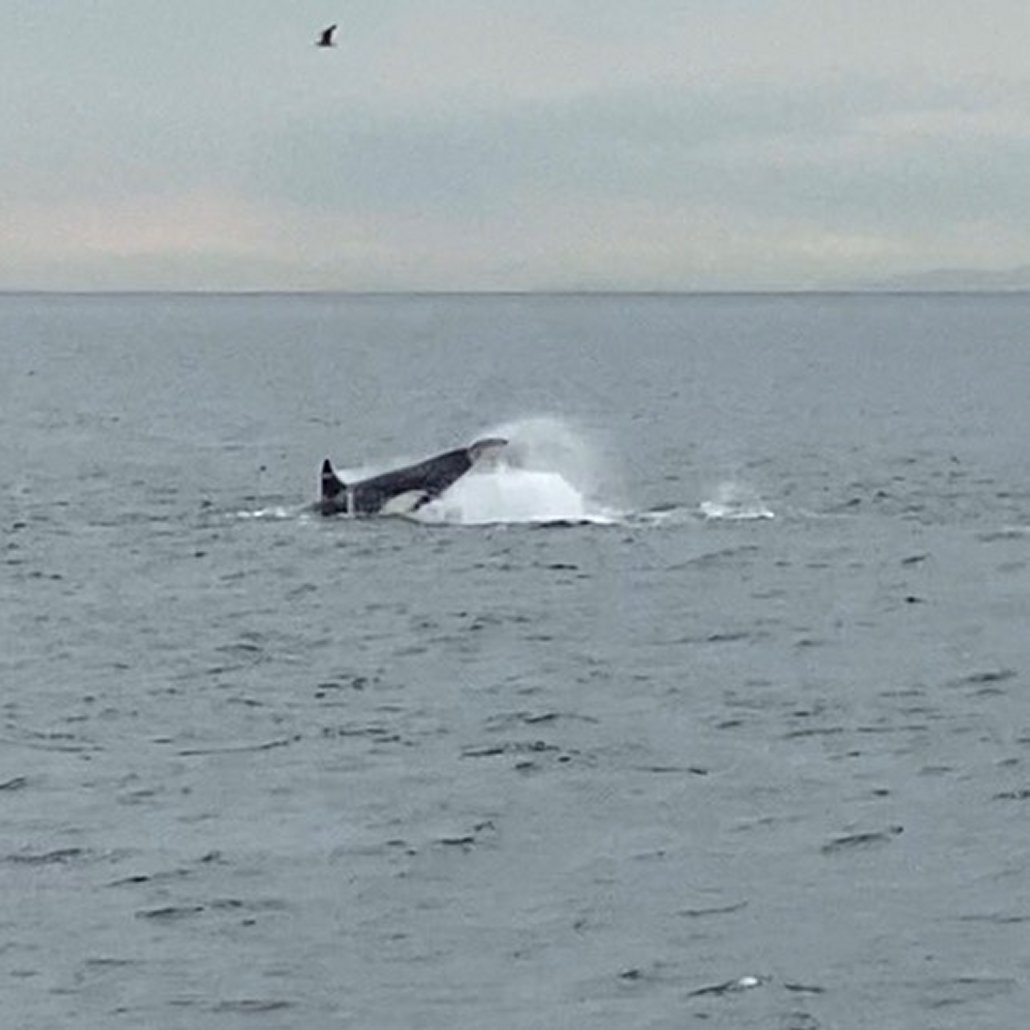
At that moment the sea erupted just 300m away, and one of the larger orcas did a massive tail slap on top of the sea lion!
© Richard Puller 2026
The scientists explained that a big male sea lion can actually be a huge threat to even the largest bull orca, with a vicious bite that can inflict deep wounds leading to lethal infections. A sea lion could easily bite clean through a human arm or leg.
Over generations, orca have developed a patient approach to hunting such a large and dangerous opponent which involves isolating the prey from safe shelter by acting as a circling pack. They then use their huge size and speed as battering rams to inflict internal injuries on their prey, such as broken ribs and crushed internal organs. Once exhausted and disabled, they will drag the sea lion under to drown it before safely feasting on their reward.
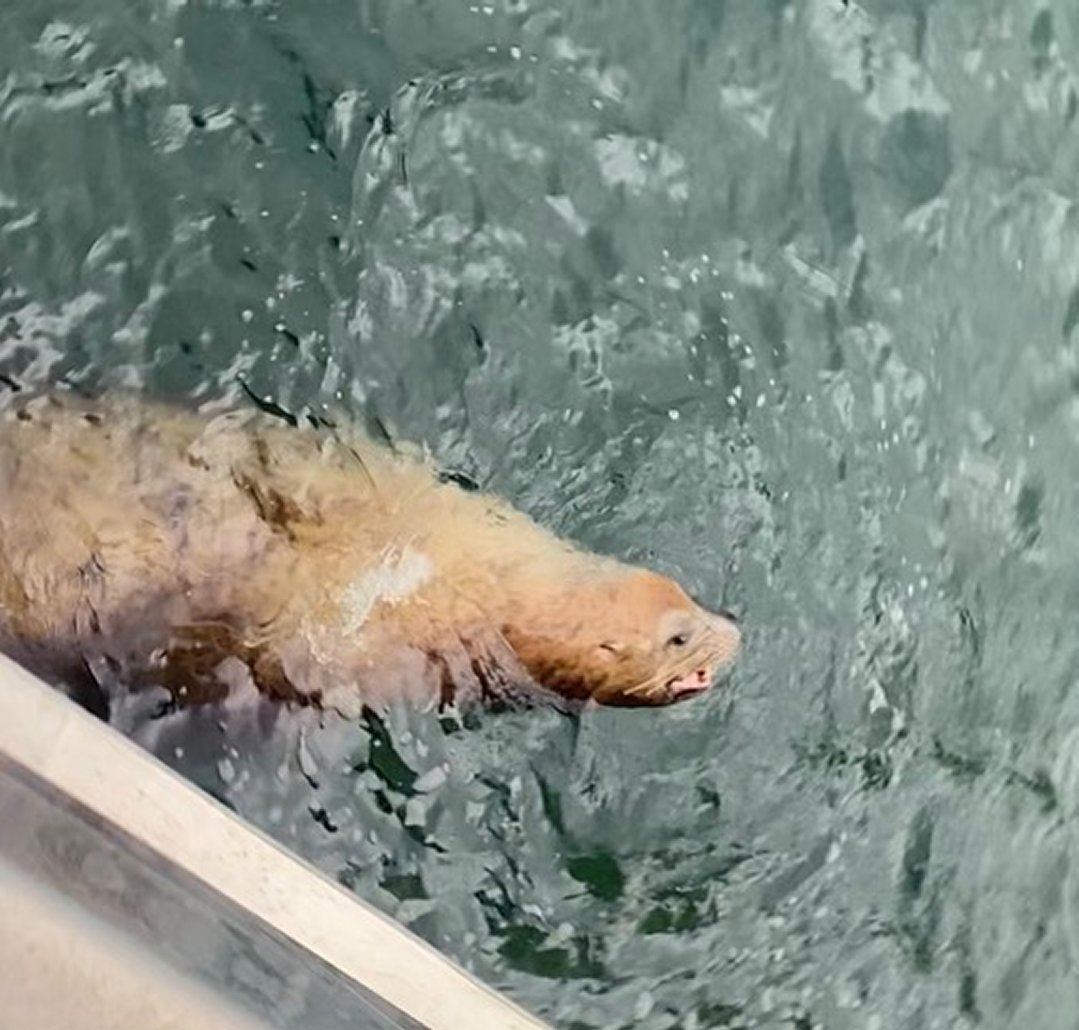
As we watched on, the orcas got nearer and nearer to the boat, when suddenly there were cries from the stern: the sea lion was under the catamaran!
© Richard Puller 2026
It was clearly very distressed and battered, in particular bloodied and damaged around its mouth from the battle. It had overcome its fear of humans to find the only safe shelter from the orca in the open sea.
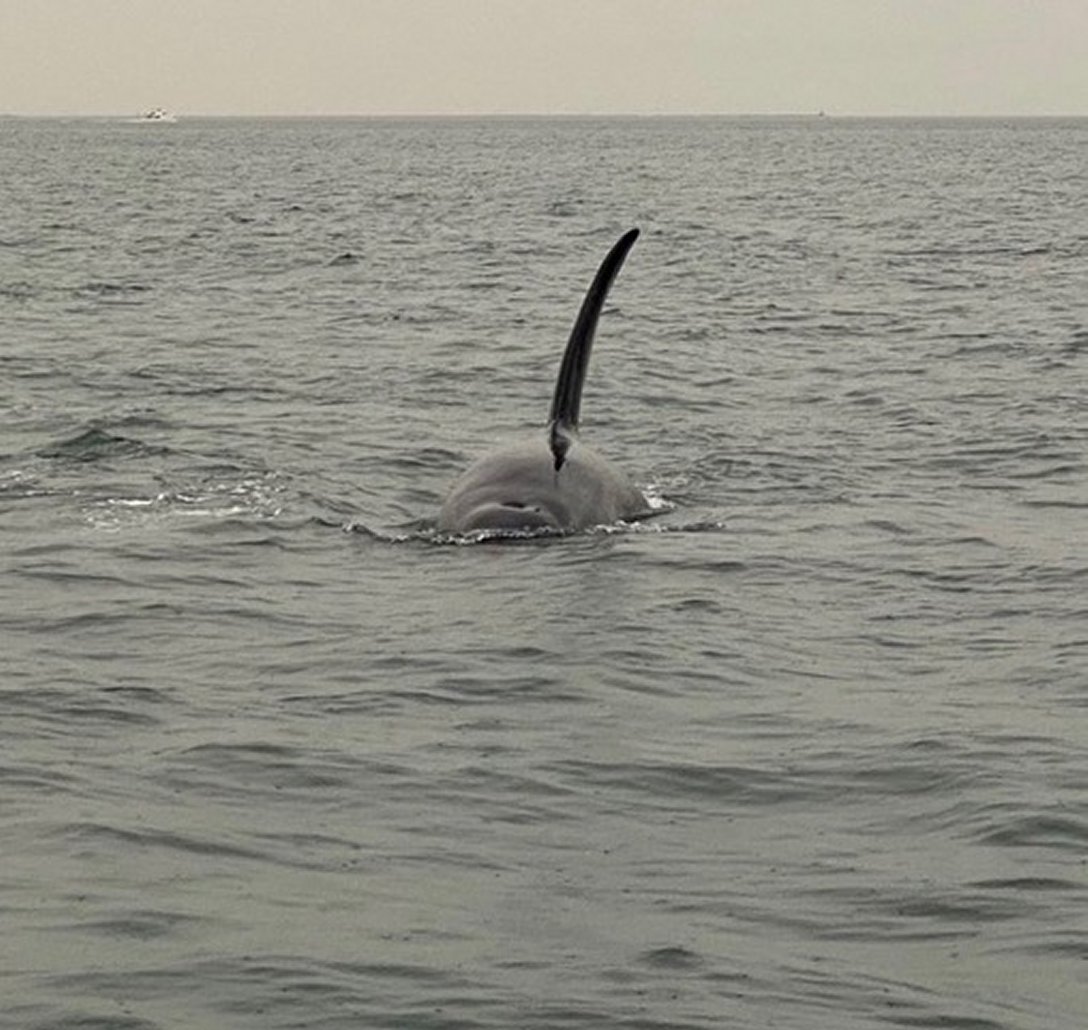
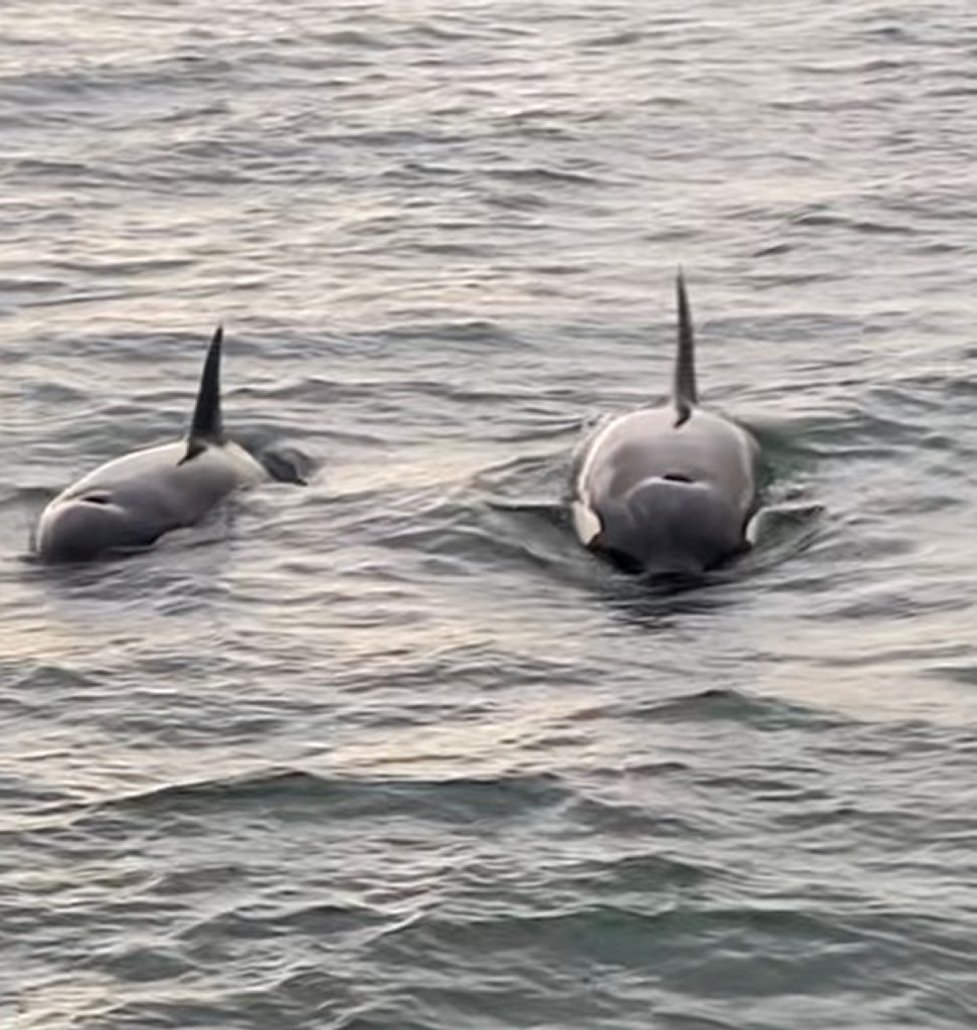
At first, the members of the orca group did attack runs straight at the catamaran, surfacing just metres from the boat before disappearing under at the last second. It was breathtaking and alarming at the same time!
© Richard Puller 2026
© Richard Puller 2026
It was also clear that the larger group members were ‘coaching’ the youngsters on the tactics.
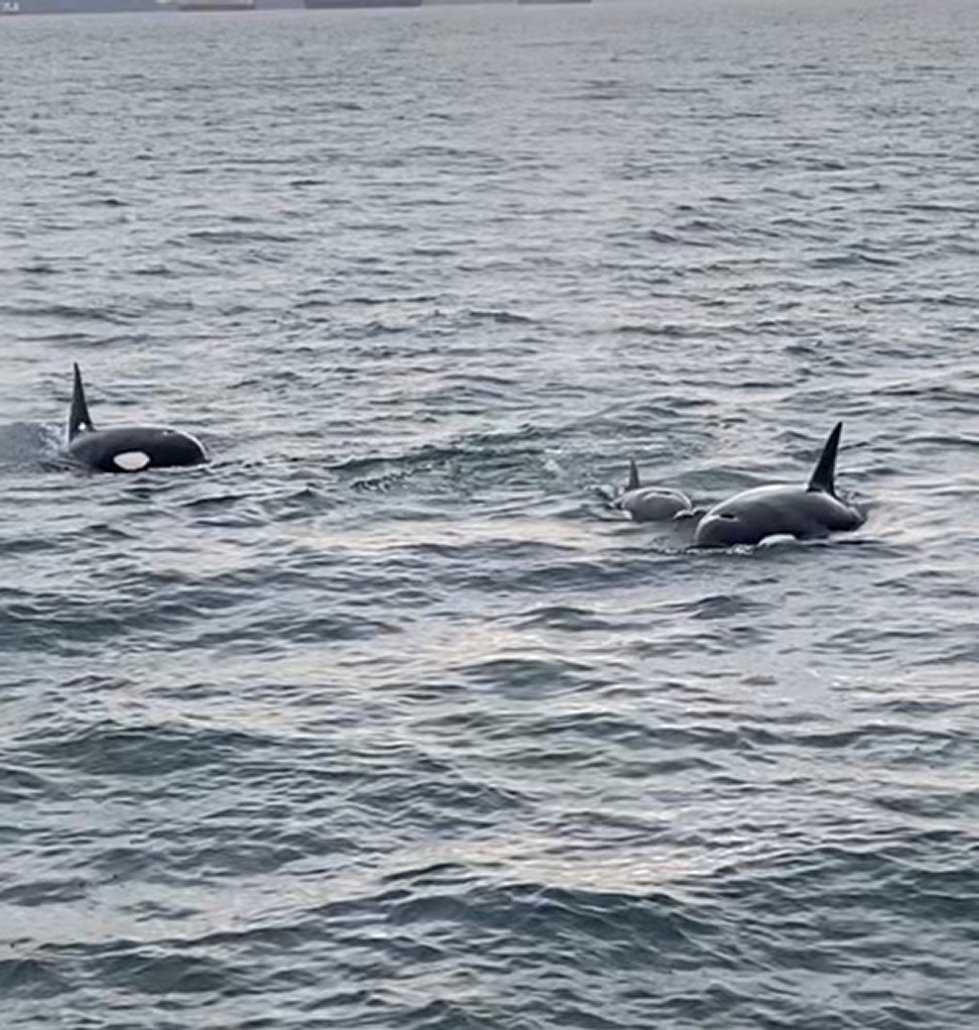
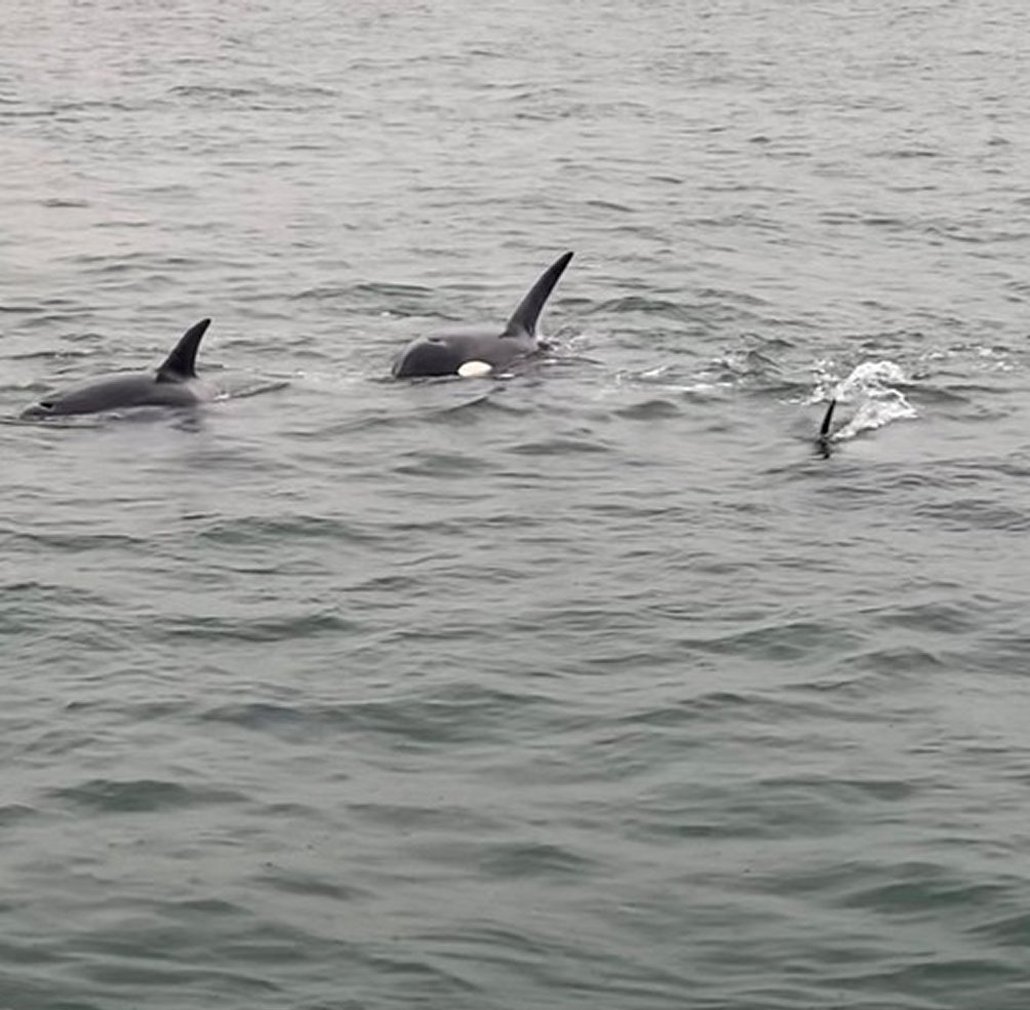
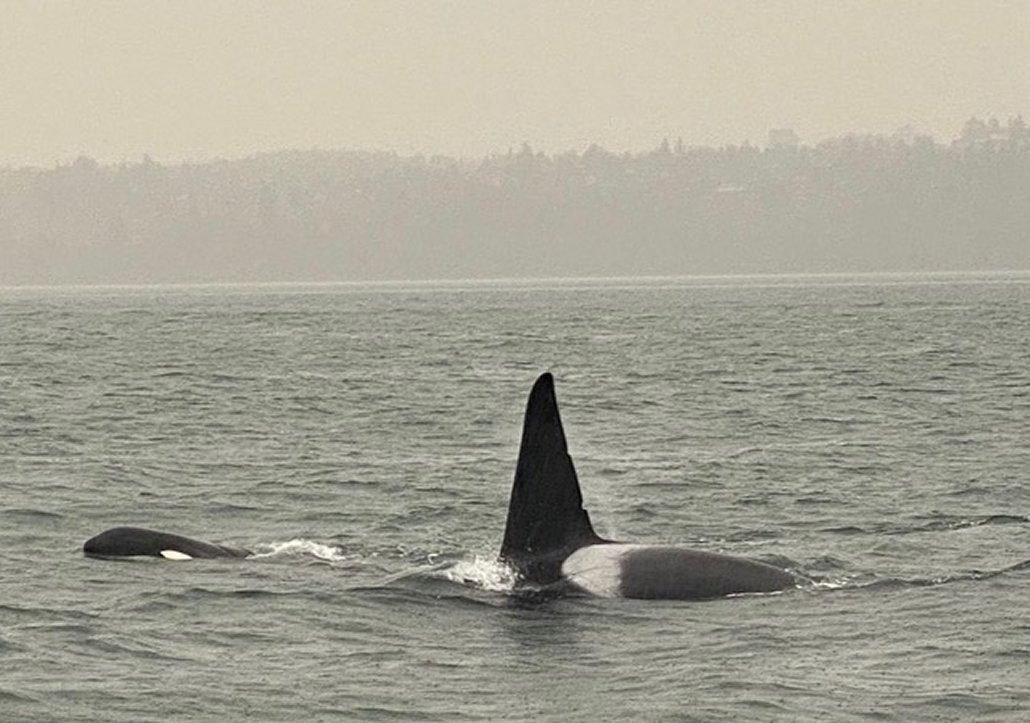
Due to their bulk and giant dorsal fins, they were finding it impossible to get to the sea lion sheltering under the catamaran hull. After around thirty minutes, they changed their strategy to circling around the boat in small groups just being patient and waiting for the sea lion to break cover.
© Richard Puller 2026
While all this was happening, the captain had been in touch with the marine conservation authorities who sent out a support vessel to assess the situation and advise the captain what to do. The team members on the boat explained that this had never happened before in 30 years of operating the tours. They were all as amazed as we were!
The captain however was caught in a dilemma: there are rules that prohibit running engines within 400m of any whale species, but also it is prohibited to interfere with a hunting group of whales or provide shelter for a prey animal.
After about 90 minutes the captain was given permission to start the engines and speed away. Heartbreakingly, the sea lion tried valiantly to stay under the shelter of the catamaran but after a few minutes it was exhausted and we left it to its inevitable fate.
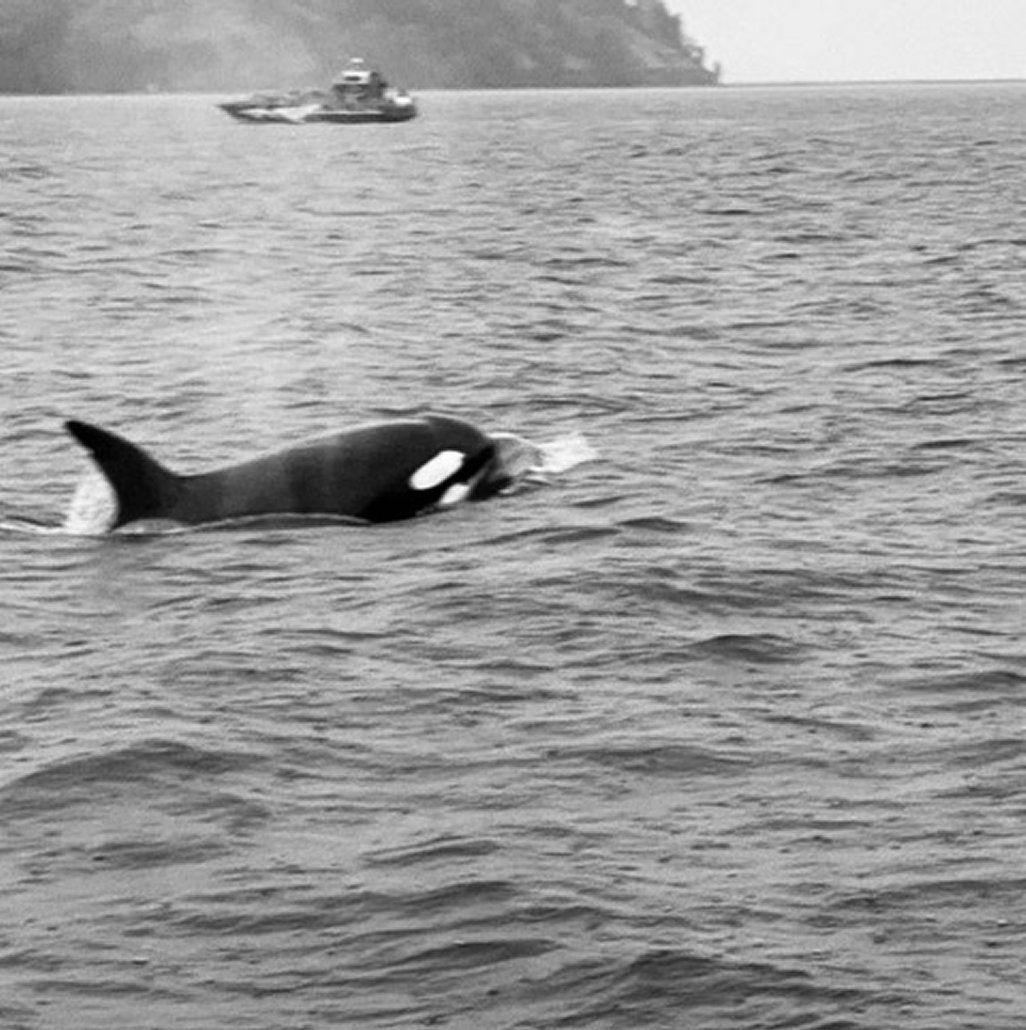
© Richard Puller 2026
The marine scientists on the boat later identified the group of 6 orcas as belonging to two family lines T137 and T38. The T137 matriarch (Loon) was 41 years old, accompanied by her massive offspring the 23-year-old bull orca T137A (Jack) with two of her daughters T137B (Tempest, aged 19) and T137D (Wright, aged 13). They were joined by T38C1 (unnamed, aged 17) and her younger niece T38E (Hocker, aged 8).
Fun fact: orca matriarchs are one of very few animals to experience the menopause. They often live a further 20-30 years after stopping reproduction. They have a hugely important role leading the group and coaching the younger members on navigation routes and attack strategies. They also invest heavily in protecting their largest adult son: in this case Loon has successful brought up Jack to be the group’s main massive attack weapon, being able to provide food for her and all the other females in the group.
For us, as well as for all the crew members and scientists on board, this was an extraordinarily lucky, once-in-a-lifetime experience: to be a part of a live orca attack at such close range was an incredible experience, and I hope you enjoyed reading about it and seeing these amazing pctures.
© text & images Richard Puller 2026